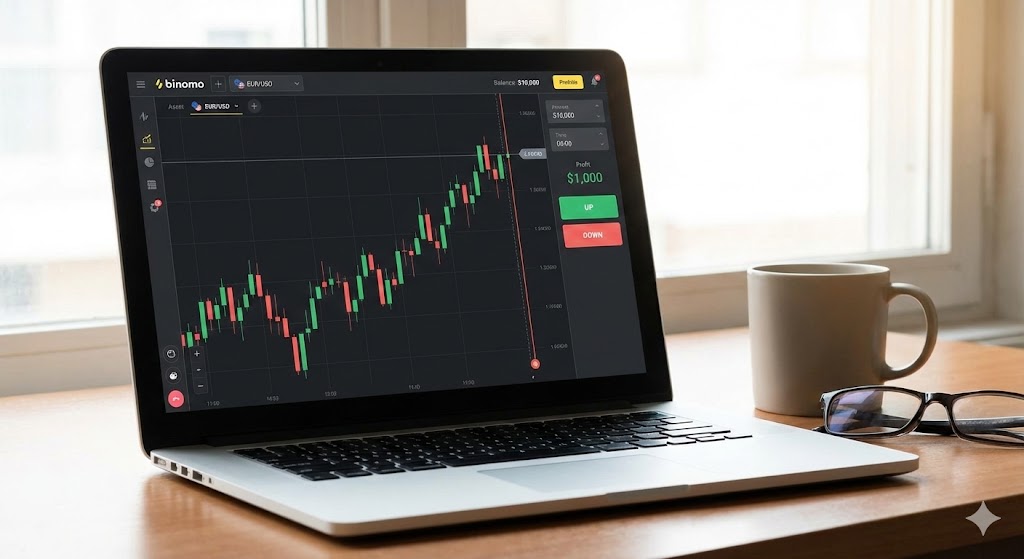

When stepping into the world of trading, one term you will encounter frequently is volatility. Simply put, volatility refers to the rate at which the price of an asset increases or decreases for a given set of returns. For traders on Binomo, understanding this concept is not just beneficial—it is essential for survival and profitability.
In this guide, we will break down what volatility means, how you can measure it, and how to select the right assets that match your trading psychology and goals.
The Dual Nature of Volatility
Many novice traders fear high volatility because it implies rapid, sometimes unpredictable, price swings. However, without volatility, there is no opportunity. If an asset's price remains flat, there is no price difference to capitalize on.
- High Volatility: Assets like Cryptocurrencies (e.g., Bitcoin) or specific emerging market currencies. They offer the potential for quick profits but carry equally high risks.
- Low Volatility: Assets like major Forex pairs (e.g., EUR/USD during quiet hours). They move slowly and predictably, making them suitable for conservative, long-term strategies.
To get a deeper academic understanding of how global markets measure this phenomenon, we highly recommend reading the comprehensive definition of Volatility from Investopedia.
How to Measure Volatility on Binomo
You don't need to guess whether a market is volatile; the Binomo platform provides built-in tools to visualize it. The most popular indicator for measuring market volatility is the Bollinger Bands.
When the bands squeeze tightly together, it indicates low volatility (often a quiet period before a breakout). Conversely, when the bands widen, it shows that the market is experiencing high volatility. Combining Bollinger Bands with other tools can form a robust system. You can explore how to build such systems by visiting our page on expert trading strategies.
Choosing the Right Asset for Your Style
Your choice of asset should directly reflect your risk appetite:
- The Aggressive Trader: If you thrive on adrenaline and fast-paced decisions, look at Crypto indices or OTC (Over-The-Counter) assets during weekend trading sessions.
- The Conservative Trader: If you prefer methodical, trend-following trades, stick to major currency pairs (like GBP/USD) during overlapping London and New York trading sessions where liquidity is high but erratic spikes are less common.
Managing Risk in Volatile Markets
Trading highly volatile assets requires iron-clad discipline. Never commit more than 1-2% of your total account balance on a single trade. If the market is moving too erratically, the smartest trade you can make is sometimes no trade at all.
We strongly encourage all users to test their reactions to volatile markets using virtual funds. If you haven't set up your practice environment yet, head over to the platform login page, switch to your Demo account, and observe the charts during major economic news releases.
Conclusion
Volatility is a double-edged sword. By understanding which assets fluctuate and utilizing the right technical indicators, you transform market noise into a structured melody. Embrace volatility, respect its risks, and trade intelligently.